The Illusion of a Quick End to the War: Why Society Must Face Harsh Reality
Society continues to harbor false hopes for a swift end to the conflict through negotiations. However, the true path to national survival lies in accepting the stark truth and preparing for a prolonged struggle.
 💼Economy
Photo: Ukrainska Pravda
Key points
- Society holds illusions about a quick end to the war through negotiations.
- Russia completely denies Ukraine's agency in occupied territories.
- Depriving the enemy of military capability is the primary objective.
- Accepting harsh reality is essential for long-term national survival.
Ukrainian society has long lived under the influence of dangerous illusions regarding a rapid end to the war via diplomatic channels. According to experts and military personnel, discussions about potential compromises often serve merely as a tool to demoralize citizens, dooming them to repeated painful disappointments. In this confrontation, the stakes are absolute: the survival of either an independent Ukraine or an expansionist imperial Russia is on the line.
A Medical Analogy for Understanding the Threat
Evaluating current realities, experts draw parallels with medical practice. When facing a severe diagnosis, a physician must voice the harsh truth, no matter how frightening it sounds. The path to recovery begins with acknowledging the problem rather than seeking easy alternatives. Any attempts to find simple solutions without considering the aggressor's true intentions inevitably lead to catastrophic outcomes.
The Russian Federation openly demonstrates its goals in occupied territories, completely denying Ukraine's right to agency and transforming seized regions into parts of its own state. Consequently, discussions can only revolve around a temporary decrease in combat intensity, not the final end of the existential confrontation. Depriving the enemy of the capability to inflict military damage remains the only viable objective.
For the residents of Okhtyrka and the entire community, this means abandoning hopes for a swift return to pre-war stability without systemic effort. Understanding the protracted nature of the conflict demands internal resilience from everyone, along with adaptation to constant security threats and support for defense forces. Life in a frontline region proves that the path to lasting peace lies through mobilizing resources rather than waiting for easy compromises on the international stage.
Source Ukrainska Pravda — pravda.com.ua/columns/2026/11/21/8063938/ ↗
Read next
 🏛️Politics
SAPO Prosecutor Reacts to Criticism Over Media Support in NABU Investigations
During a discussion on the quality of evidence in high-profile cases, SAPO prosecutor Rostyslav Batyh commented on the work of the Anti-Corruption Bureau's communications…
 🛡️Security
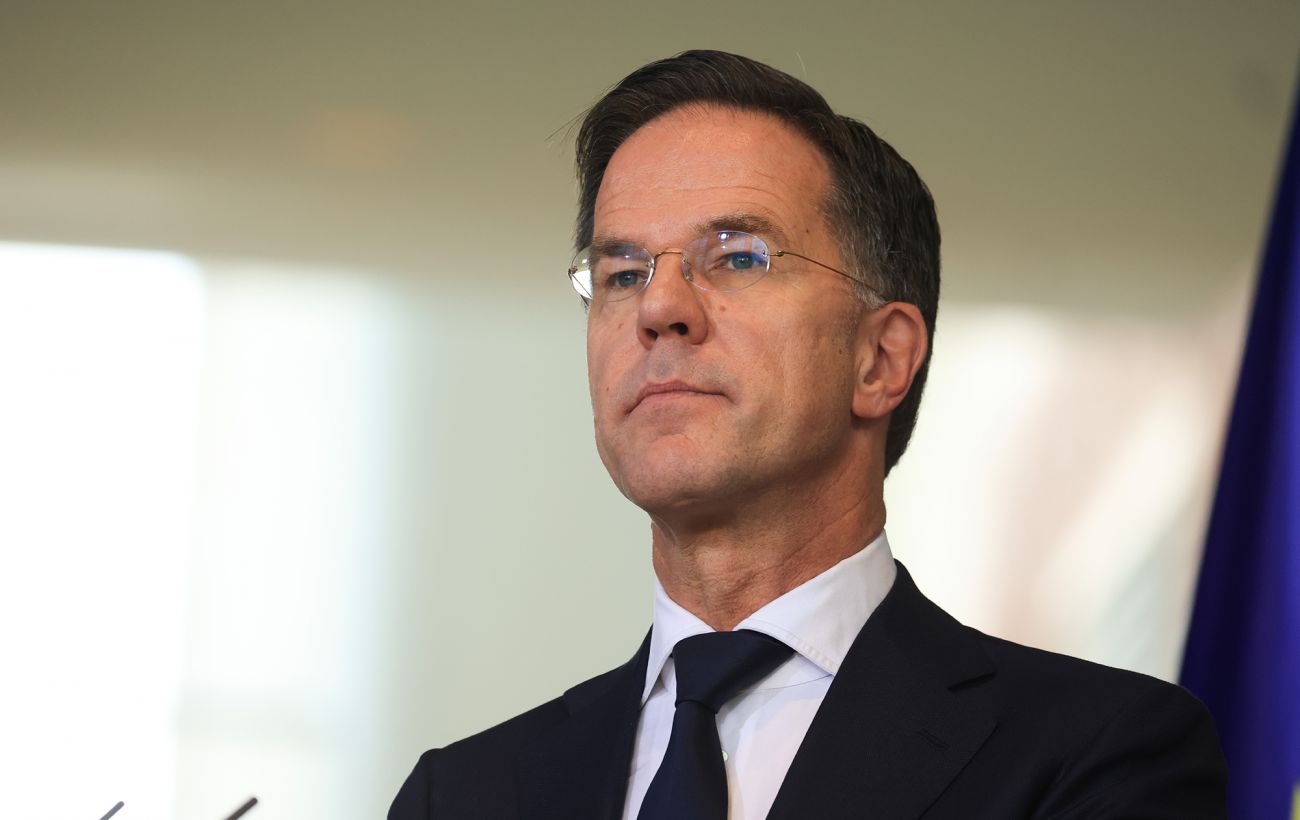
NATO Rejects Kremlin's Demand to Return to 1997 Borders: Mark Rutte's Stance
NATO Secretary General Mark Rutte has dismissed Russia's demands to roll back the Alliance's presence to its 1997 configuration as 'unacceptable'.
 🩺Health
Scientists Identify Critical Periods of Immune Aging: When the Body Is Most Vulnerable
A new scientific study has shown that our body's defense mechanisms age not gradually, but in sudden leaps around the age of 40 and after 60.
 🛡️Security
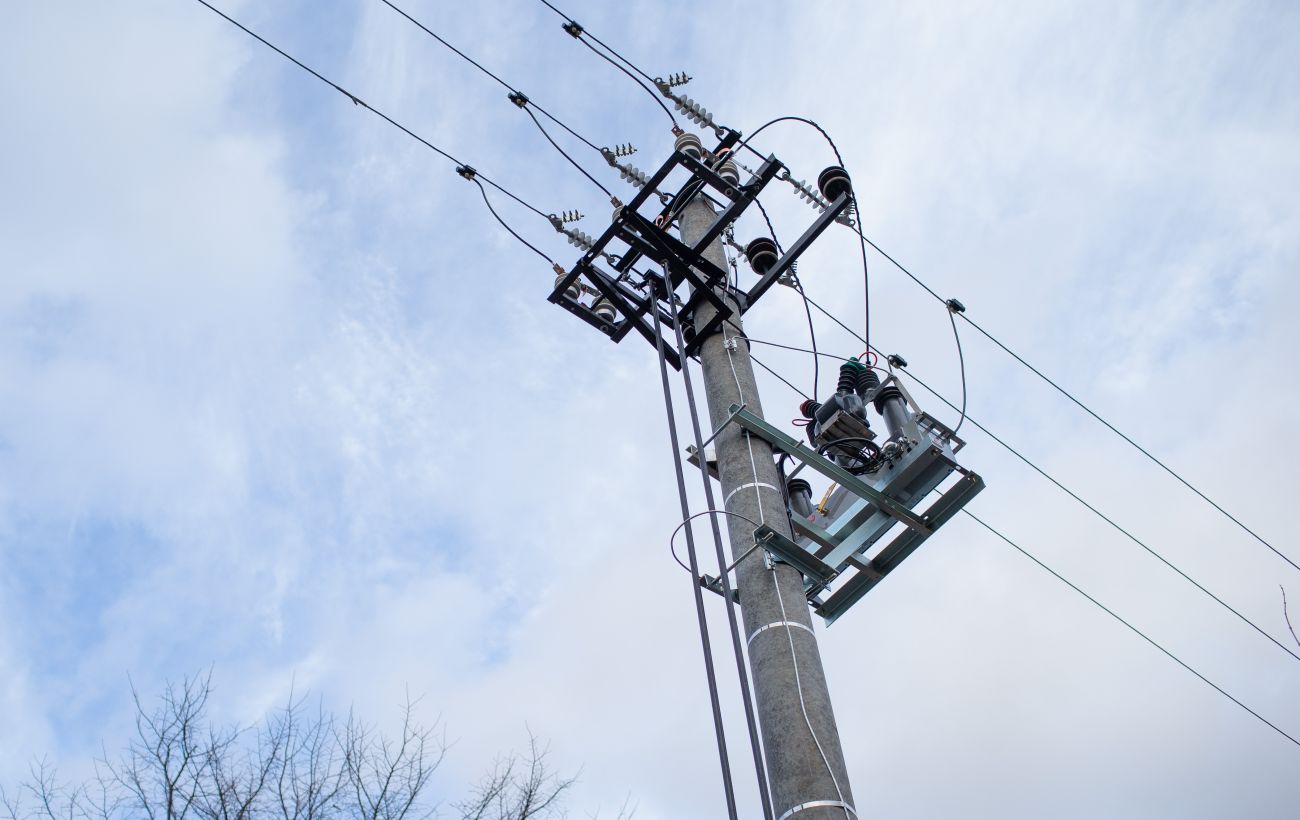
DTEK sets yearly record by restoring power to 3.5 million families in a week
Between November 16 and 22, DTEK energy workers restored electricity for 3.5 million Ukrainian families following massive shelling.
 🛡️Security
Enemy FPV Drone Attacks Pharmacy in Sumy Region: One Seriously Injured
In the border town of Seredyna-Buda in the Sumy region, Russian forces targeted a local pharmacy with six FPV drones, leaving an elderly civilian heavily wounded.
 🛡️Security
New Geography of Naval Warfare: Explosions in Libya and the Gulf of Finland Expose Russian Logistics Vulnerabilities
A series of incidents involving Russian vessels in Benghazi and the Gulf of Finland highlights the global vulnerability of Russia's naval routes.