Microplastics in water: new research reveals hidden chemical risks
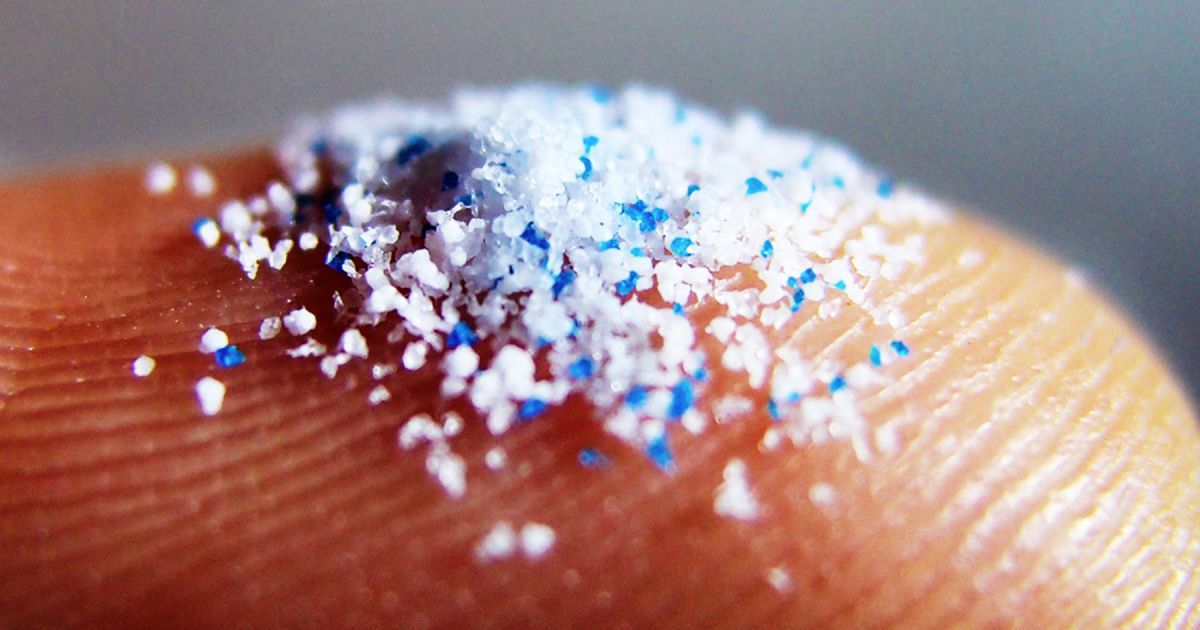
Scientists have discovered that microplastics in water can be chemically active and potentially damage living cells.
 👥Society
Photo: TSN
Key points
- Microplastics trigger chemical reactions when in contact with water.
- Reactive oxygen species can damage cells and proteins.
- Heating plastic and sun exposure increase particle release.
- Polyethylene and polypropylene are the most chemically active types.
Researchers from Columbia and the University of California have found that microplastics are not merely passive pollutants. Upon contact with water, plastic particles can trigger chemical reactions, generating reactive oxygen species capable of damaging proteins and DNA.
How plastics affect cells
Experiments demonstrated that plastic surfaces, which repel water, create conditions suitable for electron transfer. Polyethylene and polypropylene showed the highest levels of chemical activity. Laboratory tests involving mouse red blood cells showed that these reactions could damage cell membranes and cause hemoglobin leakage.
It is important to remember that microplastic sources include not only waste but also everyday activities, such as washing synthetic clothing, heating plastic containers in microwaves, or leaving water bottles exposed to direct sunlight.
Source TSN — tsn.ua/zdorovya/mikroplastyk-vyiavyvsia-nebezpechnishym-niz-vvazaly-shc… ↗
Read next
 🏙️City
Evacuation Initiatives and Security: Analyzing Humanitarian Corridor Proposals
ISW analysts explain the distinction between viable humanitarian corridors in the south and the risks associated with Russian initiatives in the Donetsk region.
 🛡️Security
Another Attack on Novoshakhtinsk Refinery: Implications for Russian Logistics
On the night of November 23, the Russian Novoshakhtinsk oil refinery was hit again. The facility plays a key role in supplying fuel to the occupation forces.
 🚨Events
Man killed in shooting in Kharkiv: special police operation launched
A shooting occurred in Kharkiv on the evening of November 22, resulting in one fatality. Police have launched a special operation to locate those involved.
 🛡️Security
Fragments of Russian X-101 missiles produced in late 2026 found in Poland
Debris from Russian cruise missiles, manufactured just weeks ago, has been discovered in eastern Poland.
 🚨Events
Charity auction in Lviv region raises UAH 60 million for Ukrainian defenders
A charity auction in the Lviv region has successfully raised UAH 60 million to support the Armed Forces of Ukraine and provide rehabilitation for a wounded veteran.
 🏛️Politics
Russian Missiles Breach Polish Airspace: Warsaw and NATO Respond
Polish officials have declared the breach of their airspace by Russian missiles and a drone during an overnight attack on Ukraine as a deliberate provocation.