Military Justice and Soldiers' Rights: Analysis by the «Pryncyp» Human Rights Center
Experts from the «Pryncyp» human rights center have analyzed initiatives regarding the restoration of military courts and prosecution in Ukraine, highlighting potential risks for service members.
 🩺Health
Photo: Ukrainska Pravda
Key points
- The «Pryncyp» center warns against risks associated with restoring military courts.
- Giving judges military ranks could compromise their independence from command structures.
- Experts advocate for specialized civil judges instead of creating a parallel military judicial system.
Discussions on restoring the military justice system in Ukraine have resurfaced amid the full-scale war, with proposals currently reviewed by a temporary special parliamentary commission. Proponents of reinstating military courts and prosecution argue that servicemen's cases should be handled by individuals with direct military experience. However, the «Pryncyp» human rights center, which participates in these discussions, urges a careful evaluation of the criteria to ensure genuine protection of service members' rights.
The Risks of Military Hierarchy in Judicial Proceedings
The primary concern regarding military courts lies in the fundamental conflict between judicial independence and strict military subordination. If judges are granted military ranks, questions arise regarding the influence of the Ministry of Defense or the General Staff on their careers and status. A military-judge would be subject to disciplinary statutes and the chain of command, opening doors for potential external pressure from leadership. Given legislative attempts during the war to increase penalties for certain offenses, direct subordination to the military vertical could undermine impartial decision-making.
Furthermore, «Pryncyp» experts point out that civil courts have accumulated substantial expertise in handling military-related cases throughout the war. Simply holding military service status or combat experience does not automatically guarantee superior legal knowledge or absolute objectivity. Rather than building a separate and vulnerable military court system, human rights advocates recommend introducing specialized judges within the existing civil judiciary to maintain high standards of fair justice and protection of rights.
Source Ukrainska Pravda — pravda.com.ua/news/2026/11/20/8063800/ ↗
Read next
 🏛️Politics
SAPO Prosecutor Reacts to Criticism Over Media Support in NABU Investigations
During a discussion on the quality of evidence in high-profile cases, SAPO prosecutor Rostyslav Batyh commented on the work of the Anti-Corruption Bureau's communications…
 🛡️Security
NATO Rejects Kremlin's Demand to Return to 1997 Borders: Mark Rutte's Stance
NATO Secretary General Mark Rutte has dismissed Russia's demands to roll back the Alliance's presence to its 1997 configuration as 'unacceptable'.
 🛡️Security
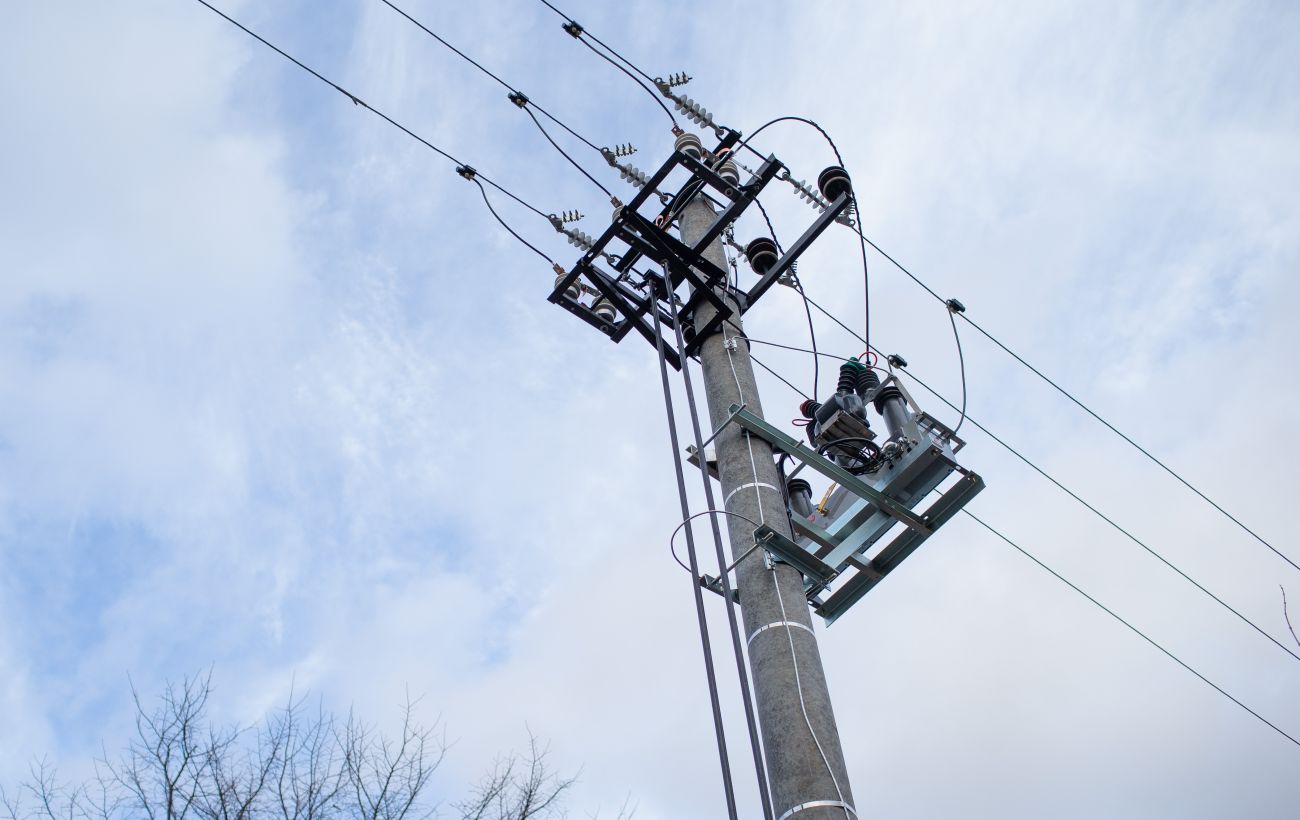
DTEK sets yearly record by restoring power to 3.5 million families in a week
Between November 16 and 22, DTEK energy workers restored electricity for 3.5 million Ukrainian families following massive shelling.
 🛡️Security
Enemy FPV Drone Attacks Pharmacy in Sumy Region: One Seriously Injured
In the border town of Seredyna-Buda in the Sumy region, Russian forces targeted a local pharmacy with six FPV drones, leaving an elderly civilian heavily wounded.
 🛡️Security
New Geography of Naval Warfare: Explosions in Libya and the Gulf of Finland Expose Russian Logistics Vulnerabilities
A series of incidents involving Russian vessels in Benghazi and the Gulf of Finland highlights the global vulnerability of Russia's naval routes.
 🛡️Security
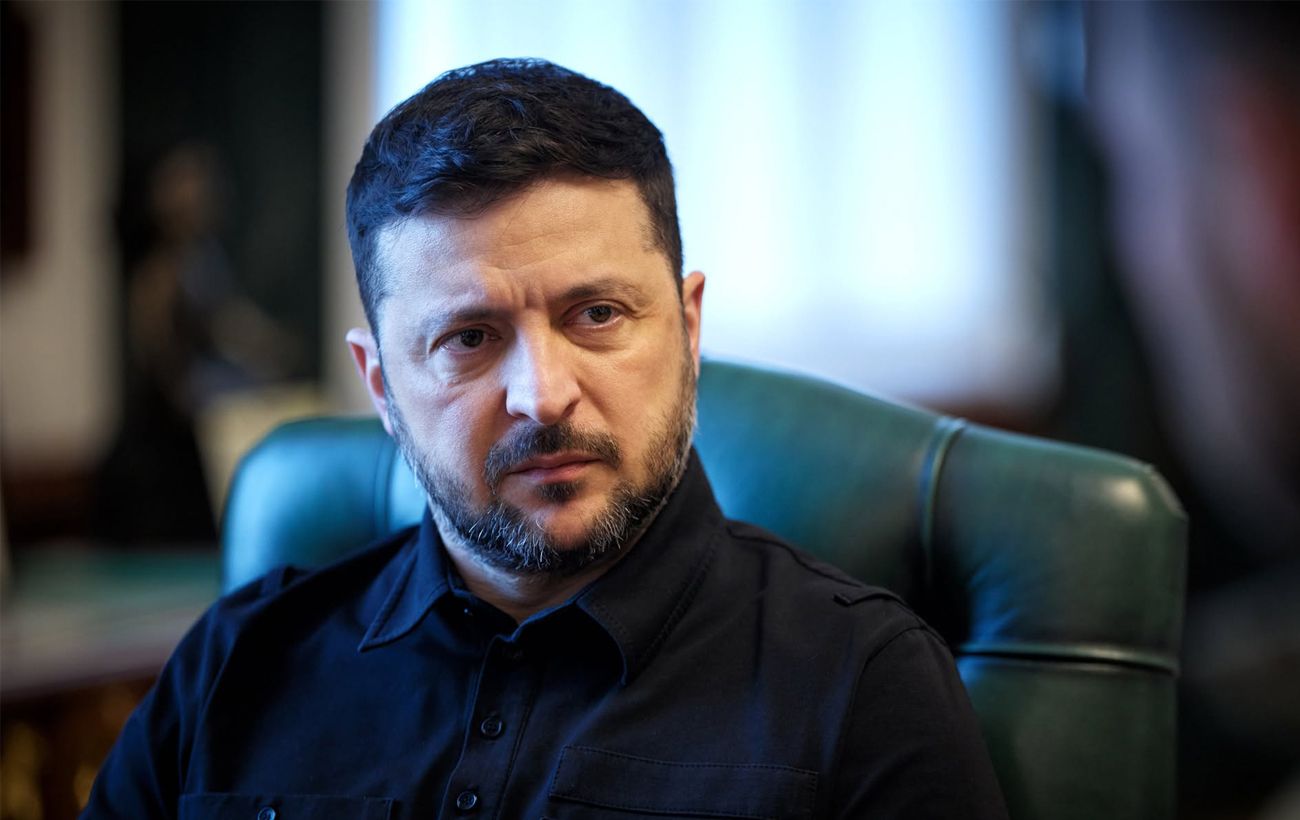
Zelenskyy announces updated Russian strike plans and reviews situation in Sumy region
President Volodymyr Zelenskyy reported receiving intelligence on renewed hostile attack plans and reviewed regional situation reports, including the Sumy region.